Commercial laundries processing hundreds of bed sheets and tablecloths daily face a persistent challenge: delivering crisp, professional finishes efficiently while managing labor costs. The flatwork ironer machine solves this by automating the ironing process. Understanding how flatwork ironers work and selecting the right equipment transforms laundry operations from labor-intensive bottlenecks into streamlined enterprises.
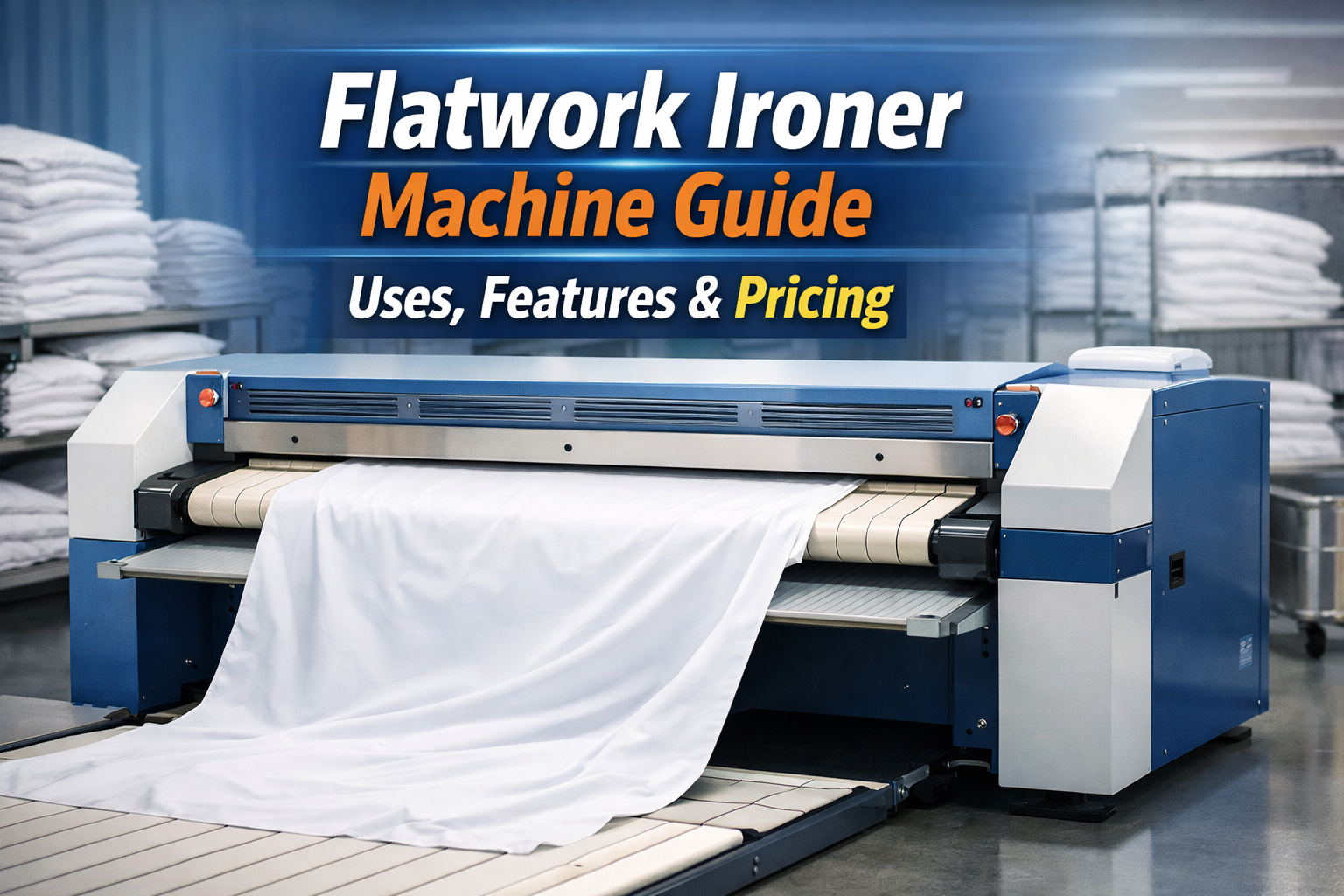
What is a Flatwork Ironer Machine and Why Commercial Laundries Need It
A flatwork ironer machine represents specialized commercial laundry equipment designed to dry and press flat textile items through continuous feed operation. Unlike handheld irons processing one item at a time, commercial flatwork ironers handle multiple large items simultaneously, delivering consistent professional results at production rates measured in meters per minute.
The distinction becomes immediately apparent in commercial settings. Hotel laundries processing guest linens, restaurant facilities finishing table linens, and healthcare laundries managing bed sheets all require equipment capable of maintaining quality while meeting demanding volumes. Manual ironing simply cannot achieve necessary throughput for modern commercial operations.
Flatwork ironers excel at processing specific categories. Bed sheets emerge crisp and wrinkle-free with professional creases. Table linens receive consistent finishing enhancing dining presentation. Pillowcases and towels gain the finished appearance guests expect. These flat items comprise substantial portions of commercial laundry volume, making flatwork finishing equipment essential for operational efficiency.
Understanding Flatwork Ironer Machine Technology
Basic Operating Principle
The flatwork ironing process begins when operators feed damp textiles into the machine’s feed system. The equipment draws textiles between a heated roller and padded pressing surface. As fabrics pass through this contact zone, heat and pressure simultaneously remove moisture and eliminate wrinkles. The combination of controlled temperature, sustained pressure, and steady feed rate produces consistently finished textiles.
This continuous-feed operation differentiates commercial flatwork ironers from batch processing. Once feeding begins, the machine processes textiles continuously until operators stop feeding new items, maximizing productivity while ensuring uniform finishing.
Heated Roller Systems
The heated roller forms the heart of flatwork ironers. This substantial cylinder, typically constructed from heavy steel, receives thermal energy from electrical heating elements, steam coils, or gas burners positioned within the roller’s hollow core. The roller’s thermal mass stores heat, maintaining consistent surface temperature despite continuous textile contact.
Roller diameter significantly influences ironing performance and equipment footprint. Larger diameter rollers provide greater contact area with textiles, improving heat transfer and finishing quality. However, larger rollers require more robust support and occupy more space. Commercial flatwork ironers balance roller size against facility constraints and processing requirements.
Pressure and Feed Mechanisms
Achieving professional finishing requires sustained, uniform pressure across textile width. Padded belts or blankets press textiles against the heated roller with carefully controlled force. The padding material must withstand high temperatures while providing resilience maintaining consistent pressure.
Spring systems or pneumatic mechanisms generate pressure holding textiles against the heated roller. Adjustable settings accommodate different textile weights and thicknesses. Heavy towels require substantial pressure while delicate linens need lighter pressure preventing damage.
The feed system advances textiles through the ironing zone at controlled rates. Variable speed controls allow operators to adjust feed rates based on textile moisture content, thickness, and desired finishing quality.
Control Systems and Safety Features
Modern commercial flatwork ironers incorporate sophisticated controls managing temperature, feed speed, and operational sequences. Digital displays allow precise thermal management while programmable controls automate common processing. Safety systems prevent operator injury and equipment damage—emergency stops halt machine motion immediately, temperature limits prevent overheating, and automatic shutdowns activate if parameters exceed safe limits.
Commercial Flatwork Ironer Applications Across Industries
Hospitality and Hotel Laundries
Hotels present demanding linen finishing requirements driven by guest expectations. Bed sheets, pillowcases, duvet covers, and decorative linens require professional finishing creating polished appearance guests associate with quality. Flatwork ironers enable hotel laundries to maintain inventory turnover necessary for full occupancy operations while delivering consistent quality meeting brand standards.
Healthcare Facility Laundries
Hospitals process enormous bed linen volumes daily. Patient bed sheets require finishing creating comfortable, professional room environments while meeting stringent hygiene standards. Flatwork ironers provide throughput necessary to support large patient populations while maintaining quality standards.
Industrial and Commercial Laundries
Commercial laundries serving multiple client facilities require maximum flexibility and throughput. These operations process diverse textile types for hotels, restaurants, healthcare facilities, and other clients. Flatwork ironers must accommodate this variety while maintaining production rates supporting the client base.
The economics depend heavily on labor efficiency. Flatwork ironers dramatically reduce labor hours required compared to manual ironing, directly impacting profitability while enabling competitive pricing.
Restaurant and Food Service Operations
Restaurants maintaining in-house laundry capabilities use flatwork ironers to finish table linens enhancing dining presentation. Pristinely finished tablecloths and napkins contribute to overall dining experience, supporting premium pricing and customer satisfaction.
Key Features to Consider in Flatwork Ironer Machines
Working Width and Processing Capacity
The ironer’s working width determines maximum textile width the equipment can process effectively. Wider machines accommodate larger bed sheets without folding, producing superior results. However, wider equipment requires more floor space and typically commands higher prices.
Processing capacity measured in meters per minute or items per hour indicates productivity potential. Higher capacity equipment supports greater throughput but requires adequate upstream processing to maintain continuous feeding.
Heating Options and Energy Efficiency
Commercial flatwork ironers offer multiple heating configurations suiting facility utility availability and operational economics. Electric heating provides installation simplicity and precise temperature control. Steam heating proves efficient when centralized boiler systems serve multiple equipment types. Gas heating often delivers most economical operation in regions with favorable natural gas pricing.
Energy efficiency directly impacts operating costs for equipment running multiple shifts daily. Insulated roller designs retain heat more effectively, reducing consumption. Heat recovery systems capture exhaust heat for reuse, further improving efficiency.
Feeding and Folding Integration
Manual feeding represents the most basic mode where operators hand-feed textiles. This works effectively for smaller operations but becomes labor-intensive at higher volumes. Semi-automatic feeding systems assist operators by gripping and drawing textiles, reducing physical demands.
Fully automatic feeding systems using mechanical feeders or vacuum tables minimize operator involvement, maximizing productivity while reducing labor requirements. These systems justify additional cost in high-volume operations where labor efficiency determines profitability.
Integrated folding systems accept finished textiles directly from the ironer, creating folded stacks ready for storage. This integration eliminates manual folding labor while ensuring consistent fold quality.
Construction Quality and Durability
Commercial flatwork ironers must withstand continuous operation in demanding laundry environments. Heavy-duty frame construction provides stability while resisting deflection from operational forces. Corrosion-resistant materials including stainless steel components extend equipment life in humid atmospheres.
Bearing and drive systems engineered for sustained operation prevent premature wear. Accessible component design facilitates routine maintenance and minimizes downtime. Equipment designed for serviceability delivers lower total ownership costs through extended operational life.
Control Sophistication and Operator Interface
Basic manual controls provide temperature and speed adjustments through simple switches and dials, offering reliability through mechanical simplicity. Digital control systems with touchscreen interfaces simplify operation while providing precise parameter management. Programmable settings store optimal processing parameters for different textile types, ensuring consistent results regardless of operator experience.
Commercial Flatwork Ironer Pricing Considerations
Equipment Size and Capacity Impact
Working width represents the primary factor influencing pricing. Wider machines capable of processing larger textiles command premium prices due to larger roller assemblies, more substantial frames, and greater material requirements. Processing capacity also affects pricing—higher-capacity machines with faster feed rates require more robust drive systems, heating capabilities, and structural elements.
Heating System Configuration
Electric heated flatwork ironers typically represent the most accessible price point. Installation simplicity and widely available electrical service make these units straightforward to implement. Steam heated configurations require integration with facility boiler systems but offer efficient operation when steam infrastructure exists. Gas heated flatwork ironers sometimes command premium purchase prices due to burner systems and safety controls, but operating costs frequently prove most economical in regions with favorable natural gas pricing.
Features and Automation Level
Basic flatwork ironers with manual feeding and simple controls occupy lowest price points. These machines deliver reliable performance when operated by skilled personnel but require more labor involvement. Semi-automatic features including assisted feeding, automatic temperature controls, and digital interfaces add cost while improving efficiency. Fully automated systems integrating feeding, ironing, and folding command premium pricing but minimize labor while maximizing throughput.
Brand Reputation and Manufacturing Quality
Equipment from established manufacturers with proven reliability typically commands prices reflecting quality construction and comprehensive support. While initial costs may exceed lesser-known brands, total ownership costs often prove more favorable through extended operational life, better efficiency, and superior support.
Operational Best Practices for Flatwork Ironer Machines
Preparing Textiles
Textile moisture content significantly influences ironing results and efficiency. Textiles fed too dry require excessive heat exposure potentially causing damage. Overly wet textiles extend processing time and waste energy. Optimal moisture levels vary by textile type—light linens process effectively when slightly damp while heavy towels tolerate higher moisture content.
Operating Parameters
Temperature settings must balance finishing effectiveness against textile protection. Higher temperatures accelerate drying and improve wrinkle removal but risk damage to delicate fabrics. Feed rate adjustments accommodate different textile moisture levels—damp items need slower feeds allowing adequate heat exposure. Pressure settings influence finishing quality—excessive pressure can damage textiles while insufficient pressure fails to remove wrinkles effectively.
Routine Maintenance
Daily cleaning removes lint and textile residue from padded belts, roller surfaces, and surrounding areas. This debris accumulation reduces heat transfer efficiency and can transfer to clean textiles. Lubrication of moving components according to manufacturer specifications prevents premature wear. Belt and padding inspection identifies wear before performance degradation occurs. Temperature monitoring ensures heating systems function correctly.
Safety Protocols
Comprehensive operator training prevents injuries and equipment damage while ensuring quality results. Emergency stop procedures require emphasis during training. Heat protection awareness prevents burns during operation and maintenance. Lockout/tagout procedures during maintenance prevent accidental equipment activation that could cause injury.
Why Choose Gupta Electrical Industries for Flatwork Ironer Solutions
Gupta Electrical Industries brings decades of commercial laundry equipment manufacturing experience to flatwork ironer design and production. This expertise ensures equipment meeting demanding requirements of Indian and international commercial laundries.
Manufacturing Excellence
Advanced manufacturing capabilities including CNC laser cutting, CNC turret punch press equipment, and CNC bending machinery enable precision component fabrication. These computer-controlled processes produce components with tight tolerances ensuring proper fit and reliable long-term operation. Experienced welding teams assemble fabricated components into robust structures capable of withstanding continuous commercial operation.
Application Engineering and Customization
While standard flatwork ironer models serve most requirements effectively, some facilities present unique challenges requiring customized solutions. Engineering staff collaborates with customers developing equipment configurations addressing specific operational needs, space limitations, or processing requirements.
Comprehensive Support
Gupta Electrical Industries provides support from initial consultation through ongoing operational assistance. Application engineers help customers select appropriate equipment based on processing volumes, textile types, available utilities, and budget constraints. Installation support ensures proper setup and integration with existing systems. Operator training programs prepare personnel to operate equipment effectively and safely.
Genuine Parts and Service Network
Access to genuine replacement parts maintains equipment performance over extended operational lives. Service technicians trained directly by the manufacturer understand equipment thoroughly, enabling rapid diagnosis and effective repairs, minimizing downtime and restoring full functionality when service becomes necessary.
Transform Your Laundry Finishing Operations
Flatwork ironer machines represent transformative investments for commercial laundries processing substantial volumes of flat textiles. These specialized machines deliver professional finishing at production rates manual methods cannot approach while dramatically reducing labor requirements.
Understanding flatwork ironer technology helps facilities select equipment appropriate for specific needs. Considering working width, heating options, automation level, and construction quality ensures equipment matches operational requirements and budget constraints.
Ready to Elevate Your Laundry Finishing Capabilities?
Gupta Electrical Industries stands ready to help you select and implement flatwork ironer solutions tailored to your commercial laundry requirements. Decades of manufacturing experience and commitment to customer success ensure you receive equipment delivering reliable performance and exceptional results.
Contact Gupta Electrical Industries Today
To discuss your flatwork finishing needs. Our application engineers will evaluate your requirements and recommend equipment configurations optimizing your operations while fitting your budget and space constraints.
Gupta Electrical Industries
Manufacturing Commercial Laundry Excellence Since 1951
#158, 10th Main, 3rd Phase, Peenya Industrial Area, Bangalore - 560058, Karnataka, India
(Near Pollution Control Board)
Experience the difference quality flatwork ironer equipment makes in your commercial laundry operations.
Frequently Asked Questions About Flatwork Ironer Machines
Get answers to common questions about tumble dryer working principles, maintenance, and performance.
Flatwork ironer machines excel at processing flat textile items including bed sheets, pillowcases, tablecloths, napkins, patient linens, and towels. These machines work most effectively with items that can be fed flat rather than shaped garments. The continuous-feed design handles multiple items consecutively, making these machines ideal for high-volume processing. Different textile weights from lightweight linens to heavy towels can be accommodated through temperature and pressure adjustments.
Working width determines maximum textile size the machine can process without folding. Wider machines allow processing of large bed sheets in a single pass, producing superior finishing results. Narrower machines require folding larger items, which may compromise finishing quality. However, wider machines occupy more floor space and typically cost more. Facilities should select working width based on their largest commonly processed items balanced against space and budget constraints.
Electric heated flatwork ironers offer installation simplicity and precise temperature control through digital controls. Steam heated models prove efficient when facility boiler systems provide steam for multiple equipment types. Gas heated ironers often deliver most economical operation in regions with favorable natural gas pricing but require proper ventilation and professional installation. The optimal heating choice depends on available utilities, local energy costs, and installation requirements.
Capacity requirements depend on daily processing volume and available labor resources. Calculate linear meters or number of items requiring finishing daily, then compare against equipment rated capacity allowing for realistic operational efficiency. Consider peak demand periods rather than average volumes. Factor in upstream processing capacity from washers and extractors to maintained balanced workflow. Facilities planning expansion should select capacity accommodating anticipated growth.
Gupta Electrical Industries combines decades of commercial laundry equipment manufacturing experience with advanced fabrication capabilities including CNC laser cutting and precision welding. This expertise produces robust flatwork ironers engineered for demanding commercial environments. Comprehensive support from application engineering through installation assistance and ongoing technical support ensures customers achieve maximum value. Access to genuine replacement parts and trained service technicians maintains equipment performance throughout extended operational lives.